
 Book Appointment


Choosing the Perfect Gold Engagement Ring: Timeless Warmth from Windsor Jewelers, Inc.
November 25th, 2026
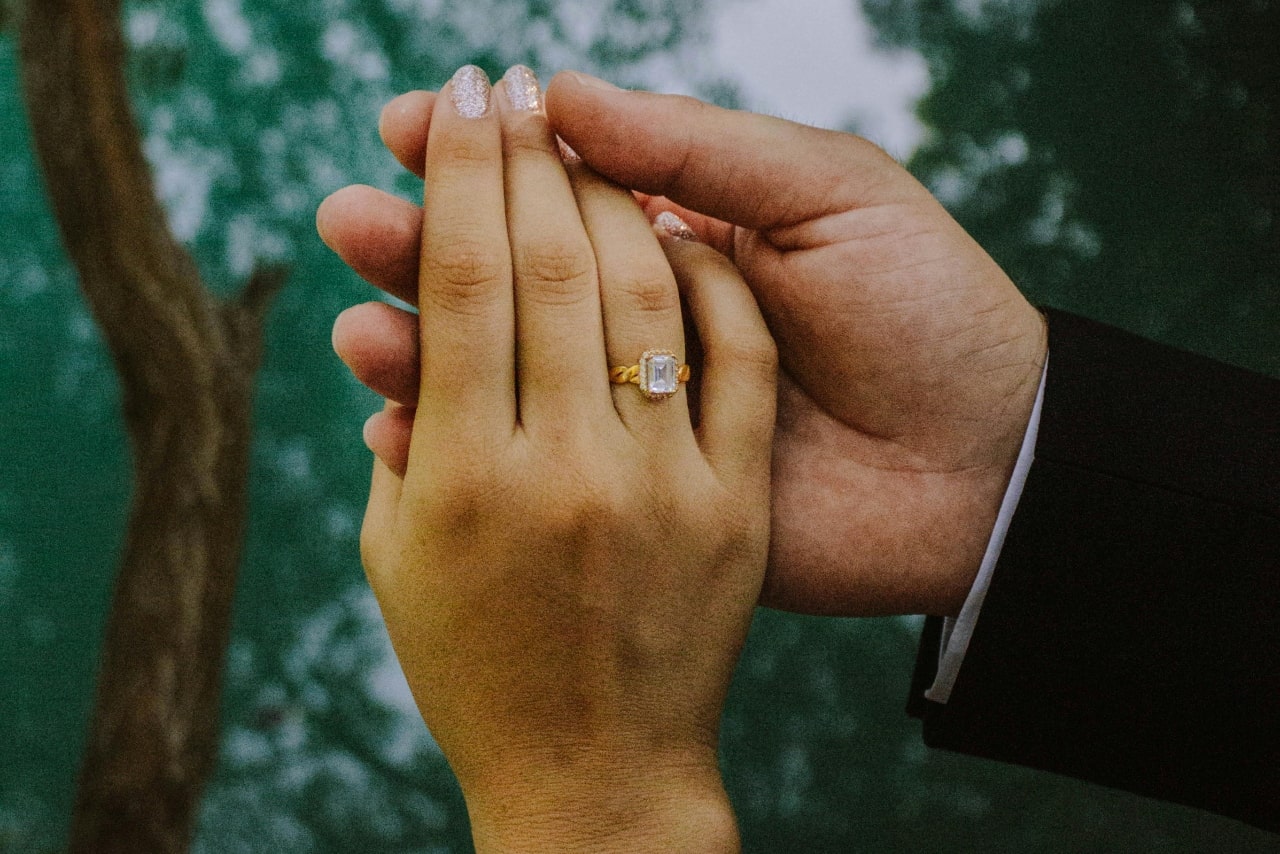
Yellow gold engagement rings are a timeless answer to the search for a ring gold engagement style: they offer natural warmth, flatter many skin tones, and remain one of the most enduring choices for couples who want a classic ring with heirloom appeal.
For affluent, style-conscious couples and individuals in North Carolina — especially those considering a custom design or choosing the right diamond — yellow gold continues to stand out as a meaningful long-term investment as well as a beautiful setting. Below, you’ll find what makes yellow gold so popular, how 14K and 18K compare, which styles suit different tastes, how to care for a ring worn every day, and what to expect when exploring heirloom-quality options at Windsor Jewelers.

Frederic Sage yellow gold diamond engagement ring.
Why Choose a Yellow Gold Engagement Ring?
Yellow gold's popularity is not a matter of nostalgia alone. According to The Knot's 2026 Real Weddings Study, 39% of couples chose yellow gold for their engagement rings, a share that more than doubled over the previous five years. That growth reflects a broader cultural shift toward warmth in bridal jewelry, visible in celebrity rings, designer collections, and fine fashion.
Gold engagement rings are available in yellow, white, and rose gold. Yellow gold also offers a variety of looks, from classic to vintage-inspired, while white and rose gold provide distinct color alternatives. Each gets its color from the metals alloyed with pure gold: rose gold draws its blush from copper in the alloy, while white gold is often plated with rhodium to enhance its brightness. Among these options, yellow gold stands apart for its natural warmth and the way it connects to jewelry traditions stretching back centuries.
A Ring That Flatters
Yellow gold offers a warm tone that flatters many skin tones. On olive, golden, and deeper complexions, the metal's richness echoes the wearer's natural warmth. On cooler or fair skin, yellow gold creates a soft contrast that prevents a center stone from looking too stark against the hand. This versatility is one reason yellow gold engagement rings appeal to such a wide range of women.
Built to Become an Heirloom
Couples drawn to yellow gold engagement often want a ring that feels heirloom-worthy from day one. Victorian, Edwardian, and Georgian jewelry was crafted in yellow gold long before platinum became widely affordable in the 20th century. Choosing yellow gold today connects a new love story to that same lineage of craftsmanship.
Gold engagement rings balance traditional value with a durable structure for everyday wear. Gold retains material value and may have resale potential based on its content, but the real draw is its ability to age well. A yellow gold ring worn daily for 40 years develops a patina that tells a story; with proper care, it can maintain its warm appearance over time, and polished, it looks as warm as the day it was first slipped on.
A Smart Match for Diamonds
Yellow gold enhances the appearance of a diamond engagement ring, as well as loose diamonds and colored gemstones, by reflecting warm light onto the stone. Diamonds rated H through J on the GIA color scale often appear whiter when set in yellow gold, because the metal's warmth absorbs and masks the faint color in the stone. This makes buying easier, since you can choose a slightly lower color grade with less visible compromise and keep more of your budget for a larger carat weight or a more detailed setting.
Yellow gold rings pair with every popular engagement ring style: solitaire, halo, three-stone, hidden halo, and vintage-inspired designs. Three-stone engagement rings, for instance, symbolize the past, present, and future, and the warmth of yellow gold gives that symbolism a visual glow that other metals don't replicate.
At Windsor Jewelers, Inc., we carry yellow gold engagement rings, crafted to be worn and loved every day.

Frederic Sage yellow gold halo engagement ring.
14K vs. 18K Yellow Gold for Engagement Rings
Karat measures how much pure gold is in an alloy, on a scale where 24K equals 100% gold. Pure gold is too soft for daily wear, so it is alloyed with other metals; copper, silver, zinc, and sometimes palladium; to add structural strength and influence color. The two most common alloys for engagement rings are 14K and 18K yellow gold.
14K yellow gold is 58.3% pure gold mixed with alloys. The higher proportion of alloy metals makes it harder: standard 14K yellow alloys register around 130 to 155 on the Vickers hardness scale, compared to 100 to 130 for most 18K yellow recipes. That added hardness translates to better scratch resistance, making 14K a practical choice for anyone with an active lifestyle or a job involving manual work. Yellow gold engagement rings made in 14K or 18K both withstand daily wear well, but 14K handles bumps and abrasion with less visible wear over time.
18K yellow gold contains 75% pure gold, and that higher gold content shows in the color. An 18K ring has a richer, deeper yellow than a 14K ring polished to the same finish. For clients who prioritize that saturated warmth, or who want the prestige associated with a higher karat, 18K is the right pick. It also carries a lower risk of skin reactions: gold alloys can cause skin sensitivities for some wearers, and because 18K contains fewer non-gold metals, the likelihood decreases (though the specific alloy recipe matters more than karat alone).
The cost difference is real. The metal component in an 18K ring runs about 28 to 30% more than in a 14K ring of similar weight, because it contains more pure gold per gram. Gold engagement rings are more affordable than platinum in either karat, which gives couples room to invest in the diamond or design details.
Windsor Jewelers' bench jewelers in Winston-Salem and Charlotte work with both alloys daily. They engineer prong height, shank thickness, and setting structure to match the metal's properties. A well-built 18K ring with a shank of 1.8 mm or more performs well for decades. For clients shopping for a wedding band to match, we recommend choosing the same karat; a 14K band paired with a 14K engagement ring wears evenly, avoiding unequal softness that can cause one ring to erode the other.
Everyday Wear and Care for Yellow Gold Engagement Rings
Both 14K and 18K yellow gold engagement rings hold up to everyday wear when the ring is properly crafted and regularly maintained. Regular care helps maintain the ring’s luster and condition over time. Gold jewelry maintains a bright appearance longer than silver, which tarnishes.
Cleaning at home is straightforward:
- Soak the ring in warm water with a drop of mild dish soap for 15 to 20 minutes.
- Use a soft-bristled brush (a children's toothbrush works well) to gently clean around prongs, under the center stone, and in any engraved details.
- Rinse under clean running water.
- Dry with a lint-free cloth and let air-dry before wearing.
Avoid ultrasonic cleaners at home and keep yellow gold away from bleach, chlorine, and harsh chemicals that can weaken the alloy or discolor the surface.
Get your ring checked by a professional jeweler every 6 to 12 months to ensure prongs and settings remain secure. At our Winston-Salem and Charlotte showrooms, Windsor's jewelry repair team inspects prongs, tightens stones, and refinishes worn areas. Over-polishing removes metal, so we polish conservatively to preserve thickness across the ring's lifetime. For rings that need structural work, our bench jewelers re-tip prongs, re-shank worn bands, and handle heirloom-level restoration of yellow gold rings in-house.
A few practical habits extend the life of your ring:
- Remove it before heavy gym sessions, yard work, or swimming in chlorinated pools.
- Store your ring in a soft cloth or jewelry box when not wearing it, separate from other pieces that could scratch the gold.
- Bring it in for a professional cleaning before a big event or anniversary; we handle those at no charge for Windsor clients.

Frederic Sage yellow gold solitaire diamond engagement ring.
Yellow Gold Engagement Ring Styles at Windsor Jewelers
Every engagement ring in our collection is designed to become a future family heirloom. Windsor Jewelers curates gold engagement rings from designers who share that standard, and our Windsor Signature Collection offers exclusive designs crafted to our exact specifications. Below, we walk through the major style categories available in yellow gold.
Classic Solitaire and Traditional Designs
Solitaire rings feature a single center stone on a plain band, letting the diamond speak for itself. A round brilliant diamond on a tapered 14K yellow gold band from the Windsor Signature Collection is one of the most requested classic engagement rings we carry. Prong settings lift the stone for maximum light exposure, which amplifies sparkle in a way that feels timeless and clean. For couples who want a ring that reads as traditional without extra ornamentation, the solitaire in yellow gold is the standard.
Halo, Hidden Halo, and Three-Stone Styles
Halo engagement rings surround the main stone with smaller accent diamonds, creating the illusion of a larger center stone and adding romantic sparkle along the ring's profile. Gabriel & Co., Fana, Martin Flyer, and Frederic Sage each offer halo and hidden halo engagement ring styles in yellow gold. Hidden halos tuck the accent diamonds beneath the center stone, visible only from the side; the effect is a sleek top-down silhouette with unexpected detail when the ring catches light at an angle.
Three-stone rings in yellow gold carry added meaning, and their symmetry makes them a favorite for clients who want a ring with visual weight and story.
Vintage-Inspired Yellow Gold
Yellow gold rings can feature vintage-inspired designs for a classic look drawn from 19th- and early 20th-century motifs. Milgrain borders, hand engraving, and filigree metalwork recall an era when every ring was shaped by hand. Old Mine and Old European cut diamonds sit naturally in these settings, though modern round and cushion cuts work just as well. Windsor carries a curated selection of vintage engagement rings in yellow gold for clients who love that level of craft.
Contemporary Details
Modern yellow gold rings push design further: split shanks that divide before meeting the center stone, east-west ovals set perpendicular to the finger, and bezel settings that wrap the gemstone in metal for a sleek, protective frame. Mixed-metal heads, such as a white gold or platinum head mounted on a yellow gold shank, allow the diamond to appear brighter while the band retains its warm color.
Clients can customize yellow gold rings through a range of styles and settings. Many yellow gold rings can accommodate different center stone shapes, from round to oval to pear. Engagement rings can also be customized with various gemstones alongside diamonds. Through our custom design service, clients select their preferred yellow gold ring style, diamond shape, and setting details to personalize every element and create a one-of-a-kind piece.
Choosing the Right Diamond for a Yellow Gold Engagement Ring
Yellow gold's warm tone works in the diamond buyer's favor. Diamonds in the G through J color range often look very white against yellow gold because the metal absorbs the stone's faint warmth rather than contrasting it. Buyers who would need a D or E color in a white metal setting can choose an H or I in yellow gold and see a comparable result.
The 4Cs; cut, color, clarity, and carat weight; all matter, but cut quality has the largest effect on sparkle. An Excellent or Ideal cut round brilliant will outperform a poorly cut stone of higher color or clarity. For yellow gold settings, VS2 to SI1 clarity is a practical range; the gold's warmth helps mask minor inclusions that would be more visible in a white setting.
Popular center stone shapes at Windsor Jewelers for yellow gold rings include:
- Round brilliant: the most popular cut (26% of all center stones, per Brite.co), known for maximum sparkle
- Oval: nearly equal to round in popularity at 25%, with an elongating effect on the finger
- Cushion: a soft, rounded square that echoes antique cuts
- Emerald: large, open facets that showcase clarity and a hall-of-mirrors effect
Windsor Jewelers offers natural diamonds with GIA and IGI certification. An in-person consultation at our Winston-Salem or Charlotte showroom lets you compare diamonds side by side in actual yellow gold ring settings, under proper lighting, on your own hand. That is the most reliable way to learn how cut, color, and shape interact with yellow gold before you purchase.
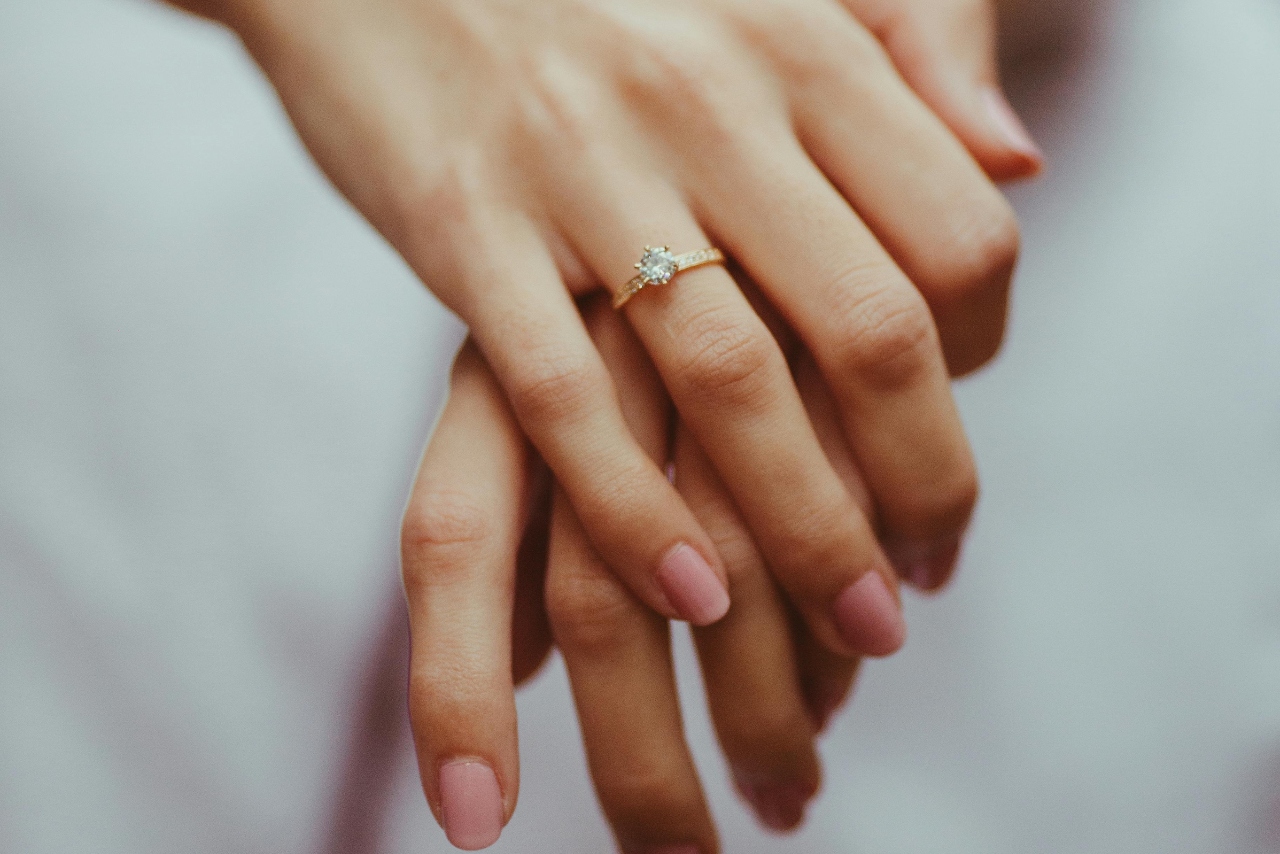
Experience Yellow Gold Engagement at Windsor Jewelers in North Carolina
Windsor Jewelers, Inc. is a family-owned luxury jeweler founded in 1986, with showrooms in Winston-Salem (526 South Stratford Road) and Charlotte (Phillips Place Court). For four decades, we have helped North Carolina couples find and create engagement rings that speak to their unique love story. Our Windsor philosophy reflects long-standing ties to the local community, and every yellow gold engagement ring we sell or design carries that same commitment to care and craftsmanship.
In our showrooms, you can view yellow gold engagement rings under proper lighting, try different band widths and engagement ring styles, and compare 14K vs. 18K yellow gold on your own hand. Our consultants guide customers through diamond selection, metal choice, and design with the depth of knowledge that comes from decades in the industry. Private appointments, CAD renderings for custom yellow gold rings, and lifelong cleaning and inspection support are all part of the experience. We also provide clear delivery guidance for completed rings and custom orders as part of our post-purchase service.
Ready to find or create your perfect yellow gold engagement ring? Explore our full collection at Windsor Jewelers or schedule a visit at either showroom to begin.
